Soft Washing vs Pressure Washing: What’s Best for NJ Homes?
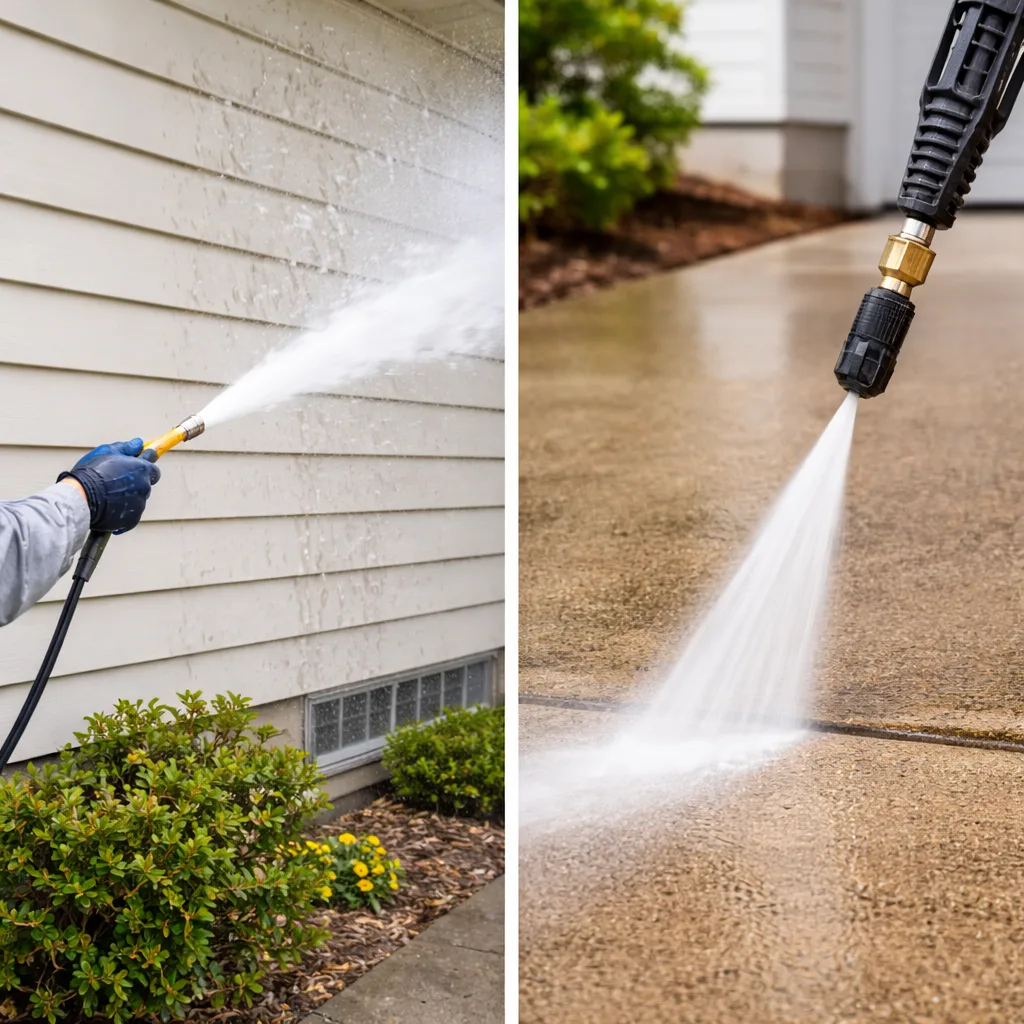
If you’ve started researching exterior cleaning for your home in Ocean County or Monmouth County, you’ve likely seen two terms used interchangeably:
Pressure washing
Soft washing
Many homeowners assume they are the same.
They are not.
Using the wrong method on your siding, roof, deck, or driveway can cause permanent damage. In New Jersey’s humid, coastal climate, understanding the difference is critical.
This guide explains:
• What pressure washing actually is
• What soft washing really does
• Which method works best for vinyl siding
• How coastal NJ weather affects cleaning decisions
• When high pressure is necessary
• When low pressure is safer
If you are trying to decide what your home needs, this will help you make the right call.
What Is Pressure Washing?
Pressure washing uses high-powered water spray to remove dirt, grime, oil, and buildup from hard surfaces.
It relies primarily on water force, not chemical solutions.
Pressure levels can range from 1,500 PSI to over 4,000 PSI.
This method works best on durable surfaces like:
• Concrete driveways
• Pavers
• Stone walkways
• Brick
• Garage floors
• Heavy equipment
Pressure washing is extremely effective for removing:
• Oil stains
• Embedded dirt
• Salt residue
• Surface grime
However, high pressure can damage softer materials.
That is where soft washing comes in.
What Is Soft Washing?
Soft washing uses:
• Low pressure water
• Specialized cleaning solutions
• Mold and algae treatments
• Controlled rinse process
Instead of blasting surfaces, soft washing kills organic growth at the root.
This method is ideal for:
• Vinyl siding
• Aluminum siding
• Painted wood
• Stucco
• Roof shingles
• Trim and fascia
In humid areas like Brick, Toms River, Howell, and Middletown, algae growth is common. Simply blasting it off may remove surface stains, but the spores remain.
Soft washing neutralizes growth to prevent fast regrowth.
Why This Matters in Ocean & Monmouth County NJ
New Jersey’s coastal climate creates ideal conditions for:
• Mold
• Mildew
• Green algae streaking
• Moss growth
• Salt air oxidation
Homes near the water experience higher humidity and salt exposure.
Homes surrounded by trees experience shade retention and moisture buildup.
These environmental factors make method selection critical.
Using too much pressure on vinyl siding can:
• Crack panels
• Force water behind siding
• Damage insulation
• Void manufacturer warranties
• Strip paint prematurely
Choosing the correct method protects your home investment.
When Pressure Washing Is the Right Choice
High pressure is appropriate for:
Driveways
Removes oil stains and embedded grime.
Concrete patios
Eliminates mildew and restores color.
Pavers
Cleans between joints and removes surface dirt.
Stone surfaces
Restores natural finish.
Concrete in NJ is often exposed to winter salt and road debris. Pressure washing removes these contaminants effectively.
When Soft Washing Is the Better Option
Soft washing is safer for:
Vinyl siding
Prevents cracking and water intrusion.
Painted exteriors
Protects finish.
Roof shingles
Prevents granule loss.
Stucco
Avoids surface etching.
Older homes
Reduces risk of structural damage.
Most residential homes in Ocean and Monmouth County require soft washing for siding.
High pressure is rarely necessary on vertical surfaces.
Common Mistakes Homeowners Make
Many homeowners rent machines from hardware stores and attempt DIY cleaning.
The most common mistakes include:
• Using too much pressure
• Holding nozzle too close
• Spraying upward under siding panels
• Ignoring plant protection
• Skipping mold treatment
• Not adjusting PSI for material type
These mistakes can cause permanent damage.
Replacing cracked siding or repairing water intrusion costs significantly more than professional cleaning.
The Risk of Forcing Water Behind Siding
One of the biggest dangers of improper pressure washing is water intrusion.
When water is forced upward behind siding:
• Moisture becomes trapped
• Mold grows inside wall cavities
• Insulation becomes compromised
• Structural damage can occur
In humid coastal NJ environments, trapped moisture dries slowly.
Professional exterior cleaning focuses on controlled technique, not just force.
What About Roof Cleaning?
Roof cleaning is almost always soft washing.
Asphalt shingles have protective granules.
High pressure can:
• Strip granules
• Shorten roof lifespan
• Void manufacturer warranty
Black streaks on roofs are usually algae.
Soft washing eliminates growth without damaging shingles.
How Often Should You Clean?
In Ocean and Monmouth County:
• Siding: every 1 to 2 years
• Driveways: every 1 to 2 years
• Roof: every 2 to 3 years
• Decks: annually
Homes near the water or under heavy tree coverage may require more frequent cleaning.
Does Soft Washing Last Longer?
Yes.
Because soft washing treats the source of organic growth, it typically delays regrowth longer than pressure alone.
Blasting algae off does not always kill spores.
Treating the surface does.
This matters in NJ’s humid summer climate.
What About Exterior Painting Prep?
If you are planning exterior painting, proper washing is mandatory.
Before painting, surfaces must be:
• Clean
• Free of oxidation
• Free of mold
• Free of loose debris
Most exterior painting projects in Ocean and Monmouth County begin with soft washing.
Proper preparation directly impacts paint longevity.
If you are exploring professional power washing services in Ocean and Monmouth County, ensure the contractor uses the correct method for each surface type.
Environmental Considerations
Modern soft washing solutions are:
• Targeted
• Controlled
• Designed for organic breakdown
• Applied carefully around landscaping
Proper technique protects:
• Plants
• Shrubs
• Lawn areas
• Windows
• Trim
Professional crews understand dilution ratios and runoff management.
Frequently Asked Questions
Can pressure washing damage vinyl siding?
Yes. High PSI can crack panels or force water underneath.
Is soft washing safe for painted homes?
Yes. Low pressure protects paint while removing buildup.
Does pressure washing remove mold permanently?
Not always. Soft washing treats the root cause.
Can I use high pressure on brick?
Brick is durable but mortar joints can be damaged with excessive PSI.
What method is best for most NJ homes?
Soft washing for siding. Pressure washing for concrete.
Final Answer: Which Is Better?
It is not about which is stronger.
It is about which is appropriate.
For most residential homes in Ocean County and Monmouth County:
Soft washing is best for siding and roofs.
Pressure washing is best for driveways and concrete.
Choosing the correct method protects your home, extends paint life, and prevents expensive damage.
If you are unsure which cleaning method your home needs, professional evaluation ensures the right approach.