
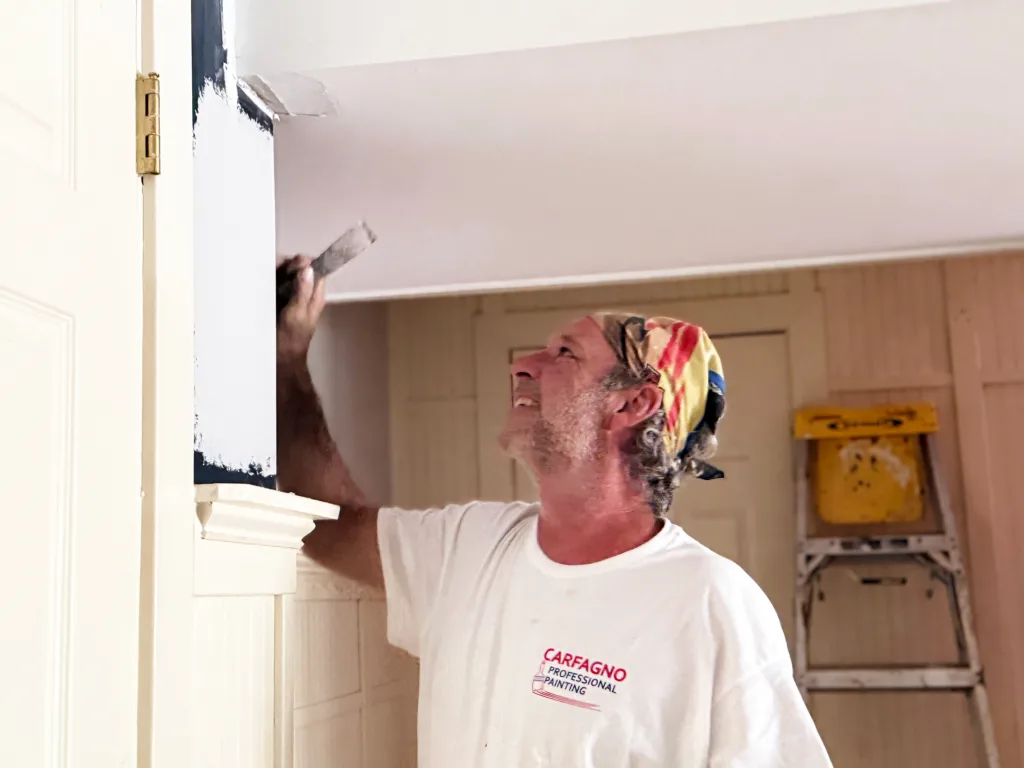
Interior Painting Timeline Guide
A single room may be painted in a day, while a detailed whole-home repaint can take a week or longer. The actual timeline depends on room size, wall condition, repairs, ceiling height, trim work, color changes, drying time, and how much preparation is required before painting begins.
Quick Answer
A standard bedroom often takes one to two days to prepare and paint. Larger living spaces, kitchens, hallways, and stairways may take two or more days. A full interior repaint commonly takes several days to two weeks depending on the size of the home and the scope of work.
Homeowners often assume that painting is simply a matter of applying color to the walls. In reality, the painting itself is only one part of the project. Moving and protecting furniture, covering floors, repairing drywall, sanding, caulking, priming, cutting clean lines, applying multiple coats, allowing proper drying time, and completing touch-ups can take just as much time as rolling the walls.
For homes throughout Ocean County and Monmouth County NJ, project timelines can vary considerably. A newer home with smooth walls and standard ceilings may move quickly, while an older home with settlement cracks, detailed molding, high stairways, water stains, or previous repairs may require additional preparation.
Typical Interior Painting Timelines
The following ranges provide a practical planning guide. They are not guaranteed schedules because every home and project is different.
| Project | Typical Timeline | Common Variables |
|---|---|---|
| Small bedroom | 1–2 days | Repairs, furniture, trim, ceiling, number of coats |
| Primary bedroom | 1–3 days | Room size, closets, doors, ceiling height, color change |
| Living or family room | 2–4 days | Open layout, tall walls, built-ins, trim, windows |
| Kitchen or dining room | 1–3 days | Cleaning, cabinets, detailed cutting, grease, fixtures |
| Hallways and stairways | 2–5 days | Height, access, railings, trim, repairs, traffic |
| Several connected rooms | 3–7 days | Room count, drying time, furniture, ceilings, trim |
| Whole-home interior | 5 days–2+ weeks | Home size, crew size, prep, occupied versus vacant |
What Takes the Most Time During Interior Painting?
The fastest part of many projects is applying paint to broad, open walls. Preparation and detailed finish work usually require the most time.
Protecting the Room
Floors, furniture, fixtures, windows, cabinets, and nearby surfaces need to be covered or moved before sanding, patching, priming, or painting begins.
Wall Repairs
Nail holes, dents, cracks, damaged drywall, water stains, uneven patches, and previous repairs may require filling, sanding, priming, and drying time.
Detailed Cutting
Clean lines around ceilings, baseboards, windows, doors, crown molding, cabinets, outlets, and fixtures require patience and precision.
Multiple Coats
Major color changes, porous walls, bold colors, stains, and certain products may require primer or additional finish coats.
Drying and Recoat Time
Paint must dry sufficiently before another coat is applied. Temperature, humidity, ventilation, and product type all affect this timing.
Cleanup and Touch-Ups
A professional project includes removing coverings, reinstalling hardware, checking edges, correcting imperfections, and completing a final walkthrough.
How Long Does It Take to Paint One Bedroom?
A typical bedroom may take one to two days when the work includes walls, normal preparation, and two coats of paint. The schedule may extend when the ceiling, trim, doors, closets, or extensive repairs are included.
A simple bedroom project usually involves:
- Moving or covering furniture
- Protecting floors and fixtures
- Removing outlet and switch covers
- Patching minor holes and dents
- Sanding repaired areas
- Applying primer where needed
- Cutting around edges and trim
- Applying one or two finish coats
- Completing touch-ups and cleanup
An empty guest room with smooth walls and a similar color may be completed more quickly than a furnished child’s bedroom with wall damage, bold colors, stickers, shelving, and detailed trim.
How Long Does It Take to Paint a Living Room?
Living rooms often take two to four days because they tend to be larger and may contain more windows, doors, built-ins, molding, furniture, and open transitions into nearby spaces.
Open-concept homes can also require additional planning. A living room may connect directly to a foyer, hallway, kitchen, dining room, or stairway without a clear stopping point. In these situations, the painting scope may extend beyond what appears to be one room.
Planning Tip
Ask whether the estimate includes only the main walls or also adjoining walls, ceilings, built-ins, trim, doors, and open transitions into neighboring rooms.
How Long Does It Take to Paint a Kitchen?
Kitchen wall painting often takes one to three days. Although kitchens may have less open wall area, they involve more detailed cutting around cabinets, countertops, tile, appliances, windows, outlets, fixtures, and trim.
Kitchen walls may also require additional cleaning because cooking oils, food residue, moisture, and everyday buildup can interfere with paint adhesion.
Painting kitchen cabinets is a separate, more involved process. Professional cabinet refinishing requires cleaning, labeling, removing doors and drawer fronts, sanding, priming, applying cabinet-grade coatings, curing, and careful reinstallation.
How Long Does It Take to Paint Hallways and Stairways?
Hallways and stairways can take longer than expected because they combine high traffic, wall damage, narrow access, trim, railings, and sometimes tall ceilings.
Stairways may require specialized ladders or staging to reach upper walls safely. Long hallway walls can also make surface imperfections and uneven roller patterns more visible under natural or directional light.
Hallways
Hallways commonly require extra patching because they collect scuffs, furniture marks, fingerprints, dents, and daily wear.
Stairways
Stairways may involve tall walls, railings, trim, difficult access, and careful protection of steps and flooring.
How Long Does a Whole-Home Interior Repaint Take?
A whole-home interior repaint may take approximately five working days to two weeks or longer. The schedule depends on the home’s size, whether it is occupied, the number of painters, the amount of repair work, and whether ceilings, doors, closets, and trim are included.
An empty home can often be completed more efficiently because crews have easier access to walls and can move between rooms without repeatedly shifting furniture and personal belongings.
An occupied home may require the project to be divided into stages so the household can continue functioning. Bedrooms may be completed first, followed by common spaces, kitchens, hallways, and other areas.
Does Painting Ceilings Add More Time?
Yes. Ceiling painting increases surface area and requires additional floor, wall, furniture, and fixture protection. Ceiling stains, cracks, patches, and texture problems may also need to be addressed before painting.
Flat ceiling paint is often used because it reduces glare and helps disguise minor imperfections. However, an outdated textured ceiling may need professional popcorn ceiling removal, smoothing, priming, and painting rather than a simple new coat.
Does Painting Trim and Doors Extend the Timeline?
Trim and door painting can substantially extend a project because these surfaces require detailed preparation and careful application.
The work may include:
- Cleaning accumulated dust and residue
- Sanding glossy or damaged finishes
- Filling holes and imperfections
- Caulking visible gaps
- Priming bare or stained areas
- Applying durable enamel coatings
- Allowing proper drying before doors are closed
A room with four walls and minimal trim may move quickly. The same room with crown molding, multiple windows, French doors, built-ins, and detailed baseboards can require considerably more labor.
How Color Changes Affect the Schedule
Repainting a light neutral wall with a similar color is generally more straightforward than covering navy blue, deep red, bright yellow, or another saturated shade with a light finish.
Major color changes may require:
- A tinted or stain-blocking primer
- Additional finish coats
- More detailed edge coverage
- Longer drying time between coats
- Extra attention around patched areas
The paint color and sheen should be selected before the project begins whenever possible. Delayed color decisions can affect ordering, scheduling, and production.
How Wall Condition Changes the Timeline
Wall condition is one of the most important timeline variables. Paint can improve the appearance of a room, but it cannot hide every structural or surface issue.
Minor Nail Holes
Small holes and light scuffs are usually straightforward to patch and sand during normal preparation.
Settlement Cracks
Cracks may require opening, filling, reinforcing, sanding, priming, and sufficient drying time.
Water Stains
The moisture source must be corrected first. Stains may then require specialized primer before painting.
Peeling Paint
Loose paint must be removed and the underlying cause evaluated before new coatings are applied.
Uneven Patches
Poorly blended drywall repairs may need additional skim coating and sanding to create a smoother surface.
Wallpaper Removal
Removing wallpaper, cleaning adhesive, repairing walls, and priming can add several steps before painting begins.
How Long Should Paint Dry Between Coats?
Recoat time varies by product, temperature, humidity, ventilation, and surface conditions. A wall may feel dry to the touch before it is ready for another coat.
Applying another coat too soon can create dragging, uneven texture, poor coverage, or extended curing problems. Professional painters follow the product requirements and actual site conditions rather than relying on one universal timeline.
Coastal New Jersey humidity can affect drying, particularly during warmer months or in homes without strong airflow. Bathrooms, basements, kitchens, and closed rooms may also require additional ventilation.
How Long Before You Can Use the Room Again?
Most rooms can be used carefully after the paint is dry, but paint continues curing after it feels dry to the touch. Avoid scrubbing walls, pressing furniture against them, hanging heavy items, or closing freshly painted doors too aggressively until the coating has had sufficient time to harden.
Your painter should explain when furniture can be returned, when artwork can be rehung, and when newly painted surfaces can be cleaned.
Can Interior Painting Be Completed While You Are Home?
Yes. Many interior painting projects are completed while homeowners remain in the house. The key is planning the sequence carefully.
A professional crew may divide the project into zones so that bedrooms, bathrooms, kitchens, and common areas remain usable as much as possible.
Occupied-home planning may include:
- Completing one room or floor at a time
- Maintaining access to essential rooms
- Using low-odor or low-VOC products where appropriate
- Keeping tools and materials organized
- Providing daily schedule updates
- Cleaning work areas at the end of each day
How to Prepare Your Home So Painting Goes Faster
Homeowners can help the project move efficiently by preparing the room before the crew arrives. The exact responsibilities should be confirmed with the contractor because some painters include furniture moving and other setup within the estimate.
Remove Small Items
Take down artwork, decorations, curtains, fragile objects, and personal belongings that could slow access to the walls.
Confirm Colors Early
Finalize colors, finishes, accent walls, and included surfaces before the scheduled start date.
Create Clear Access
Clear hallways, entryways, stairs, and parking areas so materials can be moved safely and efficiently.
Discuss Pets and Children
Plan how pets and children will be kept safely away from active work areas, tools, ladders, and wet paint.
Why Faster Is Not Always Better
A very short timeline can sound appealing, but speed should not come at the expense of proper preparation, drying, coverage, or cleanup.
A professional painter should work efficiently without skipping important steps. Rushing can lead to visible patches, poor adhesion, rough trim, missed repairs, drips, uneven coverage, and paint failure.
What Matters Most
The best timeline is not necessarily the shortest one. It is the timeline that allows the project to be prepared, painted, dried, inspected, and completed properly.
Questions to Ask About the Painting Schedule
Before accepting an estimate, ask the contractor to explain the expected schedule and what could affect it.
- How many days is the project expected to take?
- How many painters will usually be present?
- What preparation and repairs are included?
- Are ceilings, doors, closets, and trim included?
- Will the home remain usable during the project?
- How will furniture and flooring be protected?
- What could cause the schedule to change?
- How are touch-ups and the final walkthrough handled?
Professional Interior Painting in Ocean and Monmouth County
Carfagno Professional Painting provides professional interior painting services throughout Ocean County and Monmouth County NJ. Projects may include walls, ceilings, trim, doors, bedrooms, living rooms, kitchens, hallways, stairways, and complete home interiors.
Each project begins with an evaluation of the space, surface condition, repair needs, product requirements, and desired finish. That allows the team to provide a clearer scope and more realistic timeline before the project begins.
Frequently Asked Questions
Interior Painting Timeline FAQs
How long does it take to paint one room?
A typical room may take one to two days to prepare and paint. Larger rooms, extensive repairs, ceilings, trim, doors, or major color changes may extend the timeline.
How long does it take to paint a whole house interior?
A whole-home interior repaint commonly takes approximately five working days to two weeks or longer depending on home size, scope, repairs, crew size, and whether the home is occupied.
Can a bedroom be painted in one day?
Some simple bedrooms can be painted in one day when the walls are in good condition, the room is accessible, and the project does not include extensive repairs, ceilings, trim, or dramatic color changes.
Does painting trim add more time?
Yes. Doors, baseboards, crown molding, window casings, and other trim require detailed preparation and application, which can add significant time to the project.
How long should paint dry between coats?
Recoat time depends on the paint product, temperature, humidity, ventilation, and surface conditions. The manufacturer’s requirements and actual job conditions should guide the schedule.
Can I stay home during interior painting?
Yes. Many homeowners remain home while painting is completed. The project can often be divided into stages to preserve access to essential rooms and reduce disruption.
What can delay an interior painting project?
Extensive repairs, moisture problems, additional color changes, delayed decisions, high humidity, inaccessible rooms, added scope, and longer product drying times can affect the schedule.
How can I help the painting project move faster?
Finalize colors early, remove small belongings and wall decorations, create clear access, discuss furniture responsibilities, and plan for pets and children before work begins.
Planning an Interior Painting Project?
Carfagno Professional Painting provides detailed interior painting estimates throughout Ocean County and Monmouth County NJ. We will evaluate your rooms, surfaces, preparation needs, and project goals so you understand the scope and expected timeline.